TOM KRISTENSEN SPEAKS FOR EUROSPORT AND TNT SPORTS AHEAD OF THE 2026 24 HOURS OF LE MANS
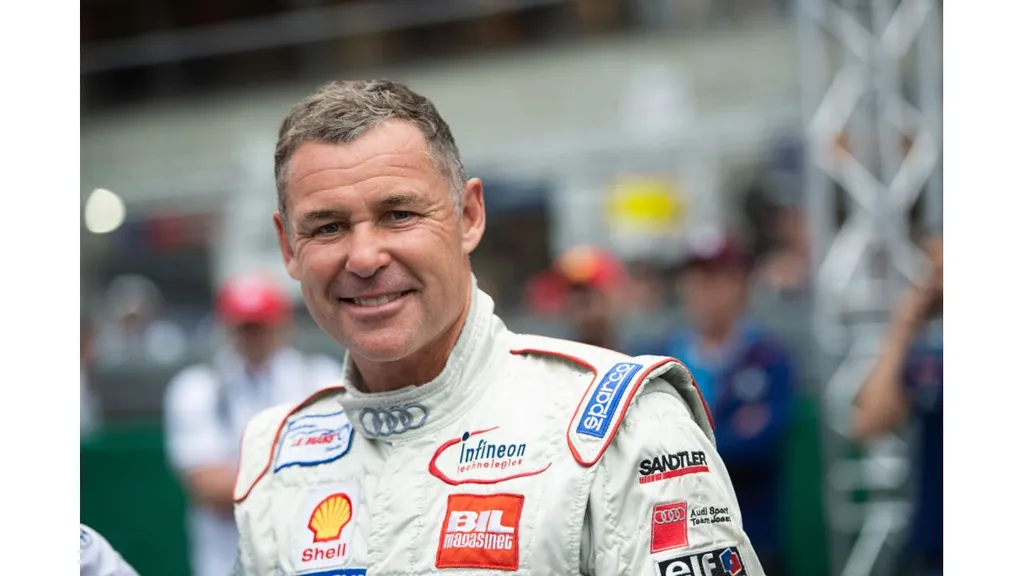
Eurosport and TNT Sports motorsport expert and record nine-time 24 Hours of Le Mans champion, Tom Kristensen was speaking ahead of the 2026 edition of the most iconic race in motorsport.
What makes Le Mans so special compared to other famous races?
First of all, the exclusivity. You can only be on the Le Mans circuit once a year. There is only one race - the 24 Hours of Le Mans. You can only win, lose, or finish — or get the experience — once a year. It’s also the fastest endurance race in the world. And I think these two things make it, for me — I’m biased — the best race in the world, in terms of the focus, the commitment, the teamwork, and also the camaraderie.
What is your most intense Le Mans memory?
A stressful one was in 2001. I was more or less sleeping when I was asked to wake up earlier because I had to get in the car as we switched from wet tyres to intermediates. So already stressed, not properly warmed up, getting into the car on a damp circuit with only a few dry spots — the next 20–25 minutes were like hell. I could have crashed many times. Then, afterwards, it became okay. In the next stint I was flying — I was the only one with temperature in the intermediates. So it goes from one extreme to the other in terms of performance: struggling, wrong tyres too early, then getting through it, not crashing, getting temperature into the tyres, and then flying and gaining more than I initially lost. That’s a positive memory!
How has Le Mans changed compared to your racing days?
I think it’s fantastic what Ferrari is doing now. When you look back, there hasn’t been another brand winning for a period — Porsche, then Toyota, and now Ferrari the last years. Today’s hypercars are safer, stronger, and more controlled. In my time with LMP1, the cars were faster and the regulations more open, we were always flirting with the limits aerodynamically. Today the cars are heavier but safer, and the competition is closer. There are many brands again, which is good. Le Mans itself hasn’t changed — it’s still once a year, very exclusive. But the circuit is much safer today, which is very good. And there is more track time now — 30 years ago you only had a few hours of practice and qualifying, which added to that exclusivity.
Which historic Le Mans car would you still like to drive?
I’ve driven a lot — GT40, Bentleys, very early Le Mans cars, Ferraris. But I haven’t driven the Porsche 956 or 962 yet, and that would be nice. Also, the Jaguar Group C cars. From my own time, I love the Audi R8 — five wins with that car. But the most elegant car of all is the Bentley Speed 8. It’s beautiful.
How difficult is traffic at Le Mans?
With 62 cars, you pass between 7 and 14 cars per lap, so you are negotiating traffic all the time. If you don’t like passing, Le Mans is not for you. If you want to pass every car at every opportunity, Le Mans is also not for you. You need to manage it — fuel, tyres, brakes — and cut through traffic without too much adrenaline. Anger can become danger. Sometimes it’s better to wait. If you see two or three GT cars fighting, you wait and then pass cleanly. It’s a mental game, and it’s key to being a good endurance driver.
Why are so many manufacturers joining Le Mans now?
It’s a golden era of sports car racing. With the cooperation between IMSA and WEC, manufacturers can use one car across championships. That attracts a lot of brands, even with smaller budgets. And when you walk around Le Mans, you see the investment — facilities, fan experience, visibility. It’s a huge global platform. The competition is very close, and everyone wants to win.
Is night or day driving harder?
Night is certainly more difficult. The speeds are very high, visibility is lower, and it requires more focus and more physical effort. If you add rain and the wrong tyres, it becomes extremely challenging. But daytime can also be tough with high temperatures and tyre degradation. When passing offline, you pick up rubber, which can affect grip and make the car unstable. So there are different challenges, but overall, night driving is tougher.
HOW TO WATCH
The iconic 24 Hours of Le Mans begins on Saturday 13 June at 16:00 CEST, with build-up from 15:00 CEST. Every moment of the 24-hour race will be shown live on Eurosport, TNT Sports and HBO Max for fans across Europe. Laura Winter and Rachel Stringer will be joined by experts Tom Kristensen, Sam Bird and two-time Le Mans podium finisher Alex Brundle.
In addition to coverage across Europe, the full TNT Sports broadcast will also air in the US on HBO Max and truTV, with truTV taking the European-produced coverage for the first time.
The race forms part of WBD’s Summer of Sport, delivering more than 4,000 hours of live action on its channels and platforms across TNT Sports, Eurosport and HBO Max to fans across Europe.

Name: GettyImages-1258566716.jpg
Latest news

TNT SPORTS: BUILT DIFFERENT FOR DOMESTIC RUGBY
Every men’s fixture. Unmatched coverage of the women’s game. Unparalleled storytelling - TNT Sports is once again the destination for English domestic rugby for the 2026-27 season.

THE SNOW LEAGUE RETURNS TO EUROSPORT AND TNT SPORTS FOR SEASON TWO ACROSS EUROPE
Leading sports broadcaster renews its commitment to showcasing the world's premier snowboard and freeski competition across Europe

FANS TUNE IN AND TURN UP: WHOOP UCI MOUNTAIN BIKE WORLD SERIES HITS NEW BENCHMARKS IN 2026
With over a quarter of a million fans welcomed on-site so far, the 2026 WHOOP UCI Mountain Bike World Series is setting new benchmarks across live attendance, streaming audiences and digital engagement.

TNT SPORTS PARTNERS WITH ALZHEIMER'S SOCIETY ONCE MORE TO RELEASE NEW VIDEO CONTENT TACKLING DEMENTIA
One person can’t take on dementia on their own, it takes a team. That's why TNT Sports are once again partnering with Alzheimer's Society this World Alzheimer's Month to raise awareness of dementia.
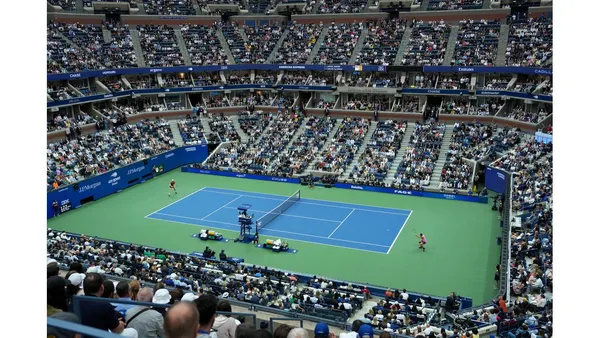
US OPEN TENNIS COMES TO MILLIONS OF VIEWERS ACROSS EUROPE ON EUROSPORT AND HBO MAX
• Every match on every court at the 2026 US Open will stream live across 45 markets* in Europe on HBO Max with far reaching coverage on Eurosport • Action gets underway with Qualifiers and Mixed Doubles Championship from 24 August • Coverage of the year’s final Grand Slam follows record-breaking pan-European tennis audiences for WBD this summer

WARNER BROS. DISCOVERY CLOSES HISTORIC ROAD CYCLING SEASON WITH LIVE COVERAGE OF EVERY RACE AT LA VUELTA A ESPAÑA AND THE 2026 ROAD WORLD CHAMPIONSHIPS
Every stage of La Vuelta a España will be shown live across Europe on Eurosport, TNT Sports and HBO Max from 22 August to 13 September The conclusion of the Grand Tour season precedes WBD’s coverage of the UCI Road World Championships on 20-27 September WBD’s record-breaking summer of cycling continues following audience growth across all platforms during the Grand Tour season
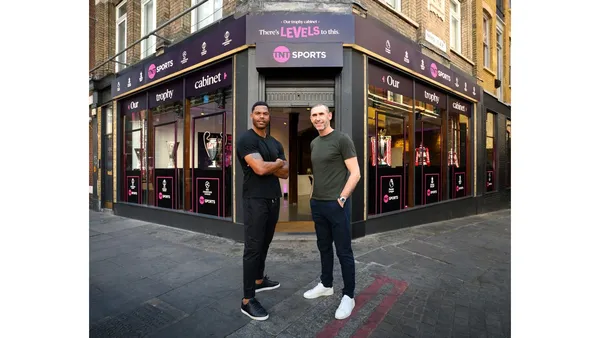
FOOTBALL ON ANOTHER LEVEL: TNT SPORTS BRINGS FANS A HUGE SEASON OF LIVE FOOTBALL WITH SEVEN MAJOR TROPHIES ON THE LINE
Steven Gerrard leads an all-star line-up as TNT Sports prepares to bring fans more than 700 live matches across the biggest domestic and European competitions
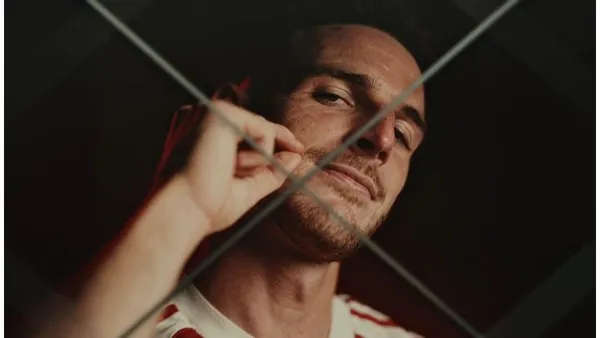
TNT SPORTS UNVEILS NEW BRAND CAMPAIGN CELEBRATING SPORT AT ITS HIGHEST LEVEL
The biggest competitions in football demand the very best from everyone involved.
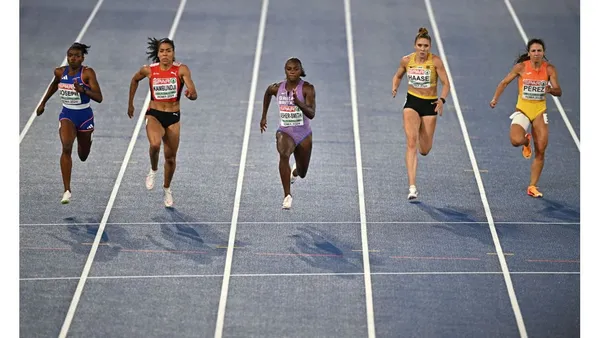
WARNER BROS. DISCOVERY EXPANDS ATHLETICS COVERAGE WITH ADDITION OF EUROPEAN CHAMPIONSHIPS
The European Athletics Championships Birmingham 2026 will be shown in 45 markets across Europe on Warner Bros. Discovery’s channels and platforms Every event will stream live on HBO Max with TV coverage on Eurosport and TNT Sports Live coverage begins on 10-16 August
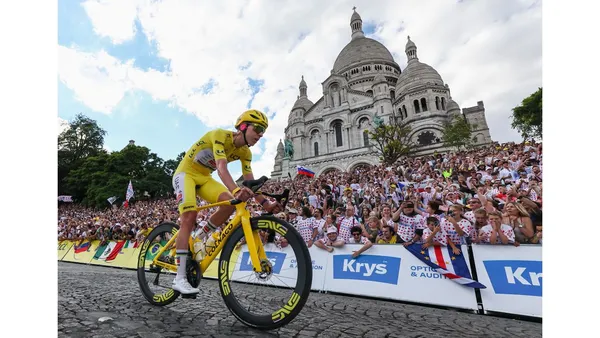
HISTORIC TOUR DE FRANCE SETS NEW BENCHMARK FOR CYCLING VIEWERSHIP IN EUROPE AS WARNER BROS. DISCOVERY GROWS ITS AUDIENCE ACROSS ALL PLATFORMS
Biggest ever Tour de France streaming audience secured across Europe on HBO Max TNT Sports reaches millions of viewers and boosts its live viewing by 58% in its first year of exclusive coverage in the UK and Ireland with free-to-air reach growing on 5 Eurosport grows pan-European viewership with its most watched Tour de France in a decade alongside record editions in France, Spain and the Netherlands
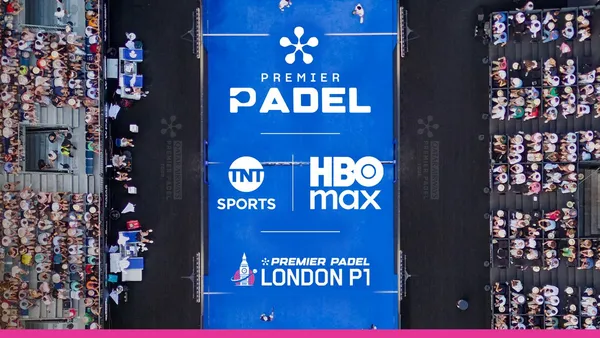
PREMIER PADEL SECURES LIVE COVERAGE ON TNT SPORTS AND HBO MAX FOR HISTORICAL FIRST EDITION OF THE LONDON PREMIER PADEL P1
The London P1 will take place from 4-9 August at Olympia and every match will be available to watch live in the UK and Ireland Action begins on 4 August at 10:00 BST with coverage across TNT Sports and HBO Max Trojan Paillot (WBD): “By partnering with Premier Padel we will showcase the very best of the sport and its athletes.” Rob Mitchell (Premier Padel): “This agreement with TNT Sports is a gamechanger for the sport in the UK and Ireland.” Stewart Hosford (Sela): “Our ambition is to elevate London P1 into one of Premier Padel’s defining tournaments. This partnership will help us bring the energy and excitement at Olympia to fans across the UK and Ireland.”
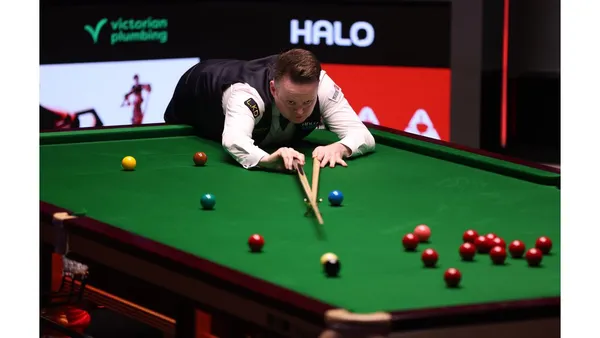
TNT SPORTS CONTINUES AS THE HOME OF SNOOKER IN THE UK AND IRELAND WITH WORLD SNOOKER TOUR EXTENSION
TNT Sports extends its coverage of the World Snooker Tour until 2031 Every frame from the World Championship, the Masters and the UK Championship will be shown live on TNT Sports and HBO Max Trojan Paillot: “Our partnership with the WST reinforces our commitment to providing fans with the most complete snooker offer”
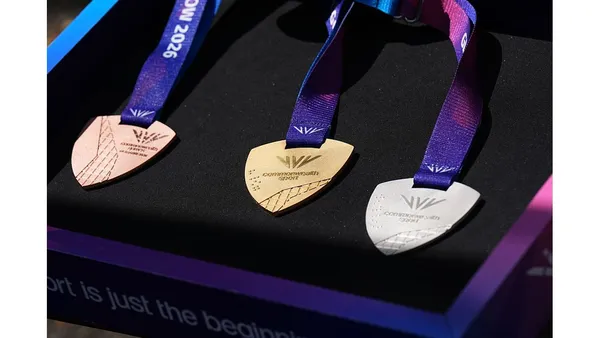
EVERY EVENT FROM GLASGOW 2026 COMMONWEALTH GAMES EXCLUSIVELY LIVE ON TNT SPORTS AND HBO MAX
Every event from the Glasgow 2026 Commonwealth Games will be exclusively live across all HBO Max subscription plans in the UK and Ireland* Never-before-seen Commonwealth Games 360 channel ensures fans never miss a key moment - Live from 08.30-22.30 every day. Enhanced streaming features on HBO Max ensure the ultimate viewing experience. The Opening Ceremony broadcast live in full on TNT Sports, HBO Max and 5 on July 23rd.
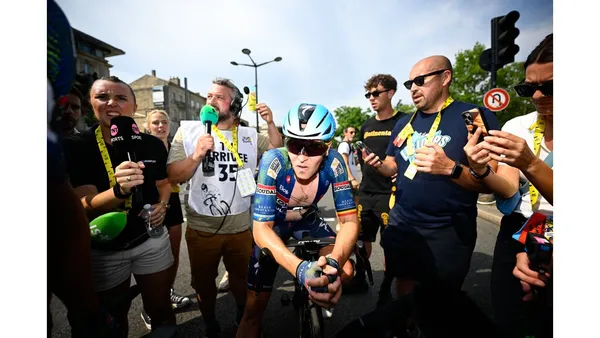
CLIMBING AUDIENCES POWER STRONG START TO TNT SPORTS’ FIRST EXCLUSIVE LIVE TOUR DE FRANCE COVERAGE
TNT Sports grows its Tour de France coverage by +41% in its first year of exclusive live coverage in the UK Streaming audiences on HBO Max in the UK have grown across all key metrics Daily free-to-air highlights on 5 are averaging more than half a million viewers, further expanding access to the race

THE COMMONWEALTH GAMES ENTERS NEW ERA WITH TNT SPORTS AND HBO MAX SET TO DELIVER NEVER-BEFORE-SEEN VIEWING EXPERIENCE
• Every event exclusively live at Glasgow 2026 Commonwealth Games across all HBO Max plans in U.K and Ireland • First-ever ‘Commonwealth Games 360’ channel, on TV and HBO Max, ensuring fans never miss a key moment. • Featuring a stellar line-up of global stars boasting 165 major competition gold medals