EUROSPORT TENNIS LEGENDS VODCAST - ROLAND-GARROS EPISODE ONE

The Eurosport Tennis Legends Vodcast returns for Roland-Garros, featuring Mats Wilander, Boris Becker and John McEnroe discussing a wide variety of subjects. Topics covered in this episode include:
- Their favourite Grand Slam tournaments and why
- Why it's disappointing to see empty seats during matches at Roland-Garros
- How players seem to adapt their games less to changing surfaces than in past generations, with the exception of Tsitsipas
- How players should have more control of their schedules and not be punished for missing tournaments
Mats Wilander: Hello everybody, welcome to Mr McEnroe over here and Mr Boris Becker said the infamous vodcasts from Roland Garros in 2019. This year, this time, we are going to cover and try to sort of rank the Grand Slam tournaments and I have a feeling which one comes as number one for you two but anyway, we are going to get to that but first I want to ask you about Roland Garros as we are here. Sometimes the stadium is not full, sometimes there is hardly a soul in the arena, John what is your feeling about the French tennis fan not showing up for the whole day sitting in their seats?
John McEnroe: Well I’ve got to just preface by saying that I think the French fan generally loves tennis so we have to do a better job of managing expectations and sort of … You know when you go to a restaurant, they try to make you feel comfortable and make you feel at home in a way and you feel special and I think we have to do that with the fans. The players obviously want to feel it so whenever you have a match that starts at eleven o’clock, to me that’s going to be a problem. Very rarely are you going to have a crowd full so that has to be taken in consideration. I remember the one time that I thought that Tsonga was going to get to the finals of the French, he played after, I believe it was after Rafa and Novak played the long match and then there was a break and I think it’s understandable for the fans that they would need some time to sort of regroup, go to the bathroom, have a drink, get some food and the players not knowing when the first match is going to end would lead me to believe, okay 30 minutes after the match ends, that’s when the next one will start. That way you give everyone a chance to regroup and they don’t do that. So then there was no energy I remember in the crowd, it was half full and he lost the first set, ended up losing the match and he said he was really disappointed that it was that way in the beginning. So I think that everyone has to work together and make it not feel like ‘Oh the crowd doesn’t care’ because actually I think in a way French fans care more than most fans that I see in the sport.
MW: Boris?
Boris Becker: Well a lot has to do with the French culture. I find the courts this year are busier than the last couple of years, every morning there’s a long queue when you come in to Roland Garros. It’s just the French like to have their lunch and that takes a little bit, it doesn’t matter who plays. So I think we have to take that into consideration and you can’t change the French culture. The French mentality, I’m with you, John, the ones that are here are probably the loudest fans in the world – not always for the right or the wrong but they are just loud. They enjoy to express themselves but I think tennis at around noon is difficult in France because of the culture and the way in which they go about their days.
JMc: There’s another solution which they do in a lot of awards ceremonies like the Academy Awards and you understand that that is a long show and that at some point even the big stars, whoever they may be, in the first few rows leave to maybe get a drink, go to the bathroom, get something to eat – they have seat fillers. Now to me you have a lot of people who can’t afford maybe to come to an event like this that would love the opportunity even if it was only for a half hour, an hour, while some other people were having lunch, to fill the seats and have this opportunity to see the sport of tennis up close. I think that would be sort of a no-brainer, it would be like a win-win. I mean it would take some organisation but I’m sure there would be hundreds, if not thousands of people, like they do to some extent at Wimbledon, queuing for the opportunity to come later in the day. Think about it on the main courts, you have four matches being played. Usually it is going to be at least two men’s matches where it’s best of five, so if you figure, you are not going to assume any fan alive, no matter how big a tennis fan, is going to sit there from eleven o’clock in the morning to nine o’clock at night so you have to massage the situation a little bit and understand that there are going to be times when some people are going to come and go but you can make up for that, I think, seat fillers would be a great idea I think.
BB: But they have to deal with that problem because it just doesn’t look good.
MW: No. The upper tiers are usually pretty full, it is just the bottom, the lunch goers like you were saying, that seem to not go.
BB: But I think we have to deal with the situation, it’s not going to change next year, you are not going to change the French mentality so you have to find a solution now already, who are you going to put in between eleven and two o’clock? By two thirty around it’s full and then by five it’s packed, great, but players are starting at eleven. You have great matches now on Philippe Chatrier so you have to find the solution as John said, to fill the seats with people who would love to be here but they never get a chance to get to see matches on the court.
JMc: And other shows like TV shows, live shows, talk shows for example, not just those, but they have comedians that come out before and they sort of warm up the crowd so there’s a way to do even something like that in between the matches. You could entertain them, if they want to stay and watch a little music they could do that, there’s all types of things that could be done. You could have a couple of juniors come on the court. Now it would be understandable if a lot of people left then but just a way to interact more and fill some time when necessary and then build up the energy for the crowd, because for me that’s part of why I believe there should be no warm up because I think it would be more exciting for tennis if you came out and they introduced the players, they said here’s Boris Becker, he’s won Wimbledon three times and the US Open two times and here Mats Wilander and he’s won seven Grand Slams, three French Opens, three Australians and a US Open, build it up. So there will be excitement and then they toss a coin and then they play. You’ve got two fighters going on in a ring trying to knock each other’s heads off, they don’t sit there and warm up for five minutes. Why is it that we need to do that? I just think that would be an example where people would be more energised.
MW: So obviously now we are on to a bit of innovation. No tie breaker at Roland Garros, you want to see them knock the heads off each other with no tie breaker, that sometimes takes too long. I know you are for the tie breaker, why are they waiting here? What do you think, just to be different?
BB: Well we keep talking about the French mentality and culture there a little bit. I think it was a good decision by Wimbledon for example because the matches just got too long and the big server, I don’t want to mention Isner too much but he’s the reason why there has been this change of scoring at the end of the fifth set was implemented. The question is when, is it six-all, is it nine-all, is it twelve-all? Now we haven’t seen that many super-long matches going late into the fifth set at the French, last night we saw one with Herbert and Paire which thought was the best match of the French Open so far. It was 11-9 so that was acceptable but I think they have to find a rule here as well and at six-all why not play a tie breaker? I mean they already play for four hours at least and they still have to play more matches the next day so six-all I think a tiebreaker in the fifth set is a fair solution for everybody.
JMc: I don't know why it’s not the same in all the tournaments, why it’s twelve-all at Wimbledon and…
MW: Should it be the same, do you reckon?
JMc: I think it should be the same, six-all especially here which I think you could certainly argue is more physical than any of the other three so why is it that here there is no tiebreaker?
MW: Because here there is no roof! It doesn’t go hand in hand does it?
JMc: I’m not sure that that follows but …
MW: They are late bloomers here at Roland Garros it seems, they are the last facility to upgrade their facilities, they still don’t have a roof.
JMc: Well politics gets in the way of a lot of this stuff and tradition is good in certain ways but I think we have all realised that being able to have a roof or two – I mean all three of them have two now. I was just over at Wimbledon and they have their second roof ready on Court One so the idea that they don’t have one here at all. Now I know that things are different when it rains, it dries, you can get on the court but to me it’s always been a no-brainer. I actually believe that there should have been a major somewhere indoors, I think that would have been interesting. Well that was a pipe dream.
BB: And think about the crowd, we spoke about it, in the afternoon they come. Think about the night session at the French Open at Chatrier, I mean packed. Think of Tsonga or Monfils or some of these French guys come out at eight o’clock, it would be the match of the day so I think it would work in so many ways and then you still have to fill up the stands at eleven, twelve o’clock in the morning.
JMc: Maybe start later. You could have less matches, you could just have two or three and then they could have a night session. They have already said that next year they are going to have night sessions so that’s going to add some electricity and the French like to have a good time, as they do in New York and maybe more so than the other ones but they are going to be ready to go, they are going to go at the end of a work day, maybe have a couple of drinks, have some food, they are going to be ready to get behind these players. So it’s a long time coming but you’ll see, they’re going to love it.
MW: I’m interested in knowing, because in the past when we played in the 80s and Boris played in some of the 90s – did you play in the 90s?
JMc: I played a couple of years.
MW: Sorry, a couple of years, it was obvious that the players who won here at Roland Garros, it was a defensive game. It was a matter of keeping the ball in play and if you had a chance you might do something and obviously Wimbledon with serving and volleying was by far the most aggressive tactical. What do we think today when you compare Roland Garros to let’s say Wimbledon? Because here you have to construct points and be very aggressive because of the way the guys and the girls are hitting the ball whereas at Wimbledon, yes you have to be aggressive but it’s not as natural, you’re not coming forwards as much. There are a lot of sliced backhands going on at Wimbledon from the baseline these days, the mindset has completely turned. Or has it not?
JMc: Well I think to me they don’t change their styles from grass to clay or even hard courts.
MW: Is that bad?
JMc: Well I think it would be more interesting to see more variety, where they had to switch gears I think players have to think on their feet more and adjust and I think it’s more interesting to see players having to deal with more adversity so I think that the best players obviously have been able to add more to the game but it’s not as if Federer plays completely different or Nadal or any of the top players suddenly decide to serve and then volley. I think Roger made the biggest change and was the most interesting to me when they quickened the courts a few years ago in Australia which allowed him to take balls earlier, be more aggressive and feel more confident he could come in more. So I think down the road to me personally it’s like watching a rightie and leftie play, it’s sort of like, okay, they’re automatically different. Then if you see a two-hander versus a one-hander and if you see a guy who is going to be more aggressive as opposed to someone who’s staying back and counter-punching. That seems to be the most interesting to me but the way the court’s set up with the court surfaces, they are too similar to have that happen.
BB: I think the game has changed. In a way it got more one-dimensional. Everybody, especially the young players, plays kind of similar. They have good groundstrokes, they are physically strong, they get into rallies and then whoever over-hits or over-runs the other guy would win. It isn’t necessarily who outplays the other guy and they use the same style on all surfaces. That’s why on grass you see a lot of baseliners, successful and you see on clay. Yes, the all-defensive game has changed on clay but still the guy who makes less mistakes usually wins at Roland Garros and Wimbledon is still the opposite. But I would see, and it would maybe speed up the evolution a little bit from some of these 19 and 20 year olds, that they add more elements to your game, become more than just a one-dimensional type of player. You see Roger has changed over the years, Rafa is playing more aggressive, Novak is playing different than he played five years ago and that’s the reason they are still on top of the game and I think there should be a lesson for all the young superstars out there, in order to be a complete player and to want to win a Grand Slam, you have got to add more elements to your game.
JMc: I think Tsitsipas has done that better than any player because he’s been unafraid, he’s switched gears, he’s moved forward, come into the net a lot more and that’s part of why I think he’s had the success that he’s had so far, part of why he is so appealing, I mean he’s got all the qualities. He’s got the looks, the hair, the style of play …
BB: Even the name, Tsitsipas!
JMc: The name is a good name, it’s all good.
MW: There might be some younger viewers or listeners, just to clarify something here and I’m going to answer it first. I come from the French Open, Roland Garros, and I haven’t served and volleyed more than once in 50 serves and I go to Wimbledon and I serve and volley 95% of the time on my first serve and 80% of the time on my second serve. John, what’s your ratio of serving and volleying while you play Roland Garros compared to then going on to the grass just a week later at Queen’s for example?
JMc: I would say that the first serve would be similar. If I hit a good first serve it’s coming in. Second, I probably went in maybe less than half the time, maybe a third of the time.
MW: At Roland Garros?
JMc: At Roland Garros. At Wimbledon, the way the courts used to be, virtually all the time, first and second serve. US Open a little different maybe I would say almost all the time on the first but maybe two-thirds of the time on the second, depending on the speed of the court but it’s changed quite a bit. It would be a far tougher proposition with the way players return now.
BB: I remember your match in 1984 and I have to bring that up … No, but that was the best time you played here and you were coming to the net pretty much on every serve. I mean you were chipping and charging because nobody played like that on clay and I think, like Roger Federer, he plays a style nobody plays here on clay, nobody likes to play. The quick points, the change of rhythm – that’s one of the reasons he is still so successful because he plays in a way an old school type of game. I was in the middle between the two of you, I would come more to the net than you Mats but probably less than you, John. On the surfaces it was similar.
MW: Nick Kyrgios has been a topic but not really him personally, players not playing all four slams, how do we feel about that? Nick Kyrgios has his reasons for not playing, Roger Federer had his reasons maybe for not playing but is it okay to miss a slam? You’re on tour, you’re playing, you’re ranked highly, you’re on the ATP tour, you’re supporting the game, the game has given you I think way more than you can ever give back to the game. Can we pick and choose which slam we play depending on if they are competitive enough to win it?
JMc: Well this is something that’s been talked about since I first came up. Who has control over players’ schedules, who knows best for the player what he needs to do to max out and peak? The way it used to be it was more difficult to play the French and Wimbledon successfully given there was only two weeks. For an American coming over to Europe, I mean these are great cities – Rome, Madrid, Barcelona – however the amount of time spent away from your home in the States, that wears on you and you can’t be away all the time. So you’d have to make a decision and compromise. Ultimately I’m a free trader in a way, to me it should be the players who should be able to make their schedule and if they decide for whatever reason they are not going to be able to go and give their best or perform at their best or they prefer to try to be ready for a Wimbledon as opposed to a French Open, I think they should be given that right. I don't think they should automatically, that there should be a penalty, that you should be automatically given a zero-pointer like you lost first round. I think that’s too harsh. I get your side of it where they try to make a schedule, you need the support in certain events, they want you to. What is the minimum amount of events that a player should play a year? That obviously depends on the player – how big a family do they have, how old is that person, how taxing is it on them physically? So all these things come into play and why is it that certain tournaments you have to play and other ones you don’t have to play? So you get into the politics again.
BB: I think it’s the exceptions that players don’t want to play the Grand Slams. There are reasons for it, back in our days most of us hardly played the Australian Open because it was in December, it was at the end of the year, people were tired so they weren’t even going so again going with the statistics of who won most slams, in the 70s and 80s a lot of people didn’t even play the Australian Open, only say in the last 20 years that it became such a great tournament and put at the beginning of the year, that’s why everybody wanted to play. But let’s talk about the names: Kyrgios doesn’t play here because he thinks Roland Garros sucks; Anderson doesn’t play here because he’s still a bit injured and I’m sure he’s warming up for the grass as we speak; John Isner is not playing here because I think he’s injured, he got a stress fracture. So there are reasons and I’m with John on this, it’s their choice, it’s their career and their responsibility ultimately. In my opinion it would be foolish not to play because you get a lot of prize money here and points and it’s just a great way to improve your tennis skills but ultimately it’s for the individual to decide what’s best for him because when he’s 35 nobody is going to ask him, you should have done that, you should have done this. The career is over and you have to do the most of it.
JMc: Roger didn’t play for four years. He chose after having come back a couple of years not to play the clay court season because he felt his best opportunity was to prepare for Wimbledon, everyone understood that. You can’t criticise that, right? You want him to play, he’s the greatest, right, but you understood it. Now everyone says, oh this is great, he’s decided to play and obviously you can see the crowds, there’s an energy and a boost to the tournament because he’s playing and ultimately he’s been unbelievably amazing for the game. He’s tried to support all different levels of tournaments, probably more so than any other player and has been involved in the politics. There is only so much a single person can take and there are a lot of things going on that factor into this. Boris mentioned Australia, I mean it’s a crap shoot to come at the beginning of the year in a way and have to go, look at the players, a lot of them go two to four weeks before the tournament. So they have to be in Australia for an extended period of time. Now there’s a lot of … it’s a great place to be but the commitment, year after year, I don't think you should be able to criticise the players just because they decide one time … Kyrgios may not play here because he doesn’t think he is going to win here much, that’s probably the real reason he’s not playing. There were times in my career – do I wish I had played Australia more? Yes. Do I wish I’d prepared better for the French? Yes. When you’re making your own decisions sometimes you don’t make the right ones and then other times it feels overwhelming anyway.
MW: Times have changed so much as well and we can’t really compare to what we did compared to somebody like Roger Federer who has got his own Foundation, he’s building schools in Africa so I think players today are building up these responsibilities that go outside of themselves, making decisions just because they don’t want to because if you are relying on people buying your gear and your hats and whatever and that’s the income that you’re building schools for and suddenly you decide not to go, you have to think of the other side because you choose to be in that situation and suddenly somebody else is suffering for your decisions but it’s completely different from what we …
JMc: You are putting even a lot more pressure on him.
MW: Well I’m just saying it’s a lot different. I remember you and I, John, we played an exhibition tour in America and we dropped, the plane dropped you off in Long Island and you waved and you said bye and then you popped your head back in and said, ‘By the way, I’m taking six months off’ and I’m like, okay, see you in six months! There wasn’t anyone saying, oh John you can’t do that, that’s not good for the game. There’s nobody around you like …
JMc: You didn’t hear the conversations with my parents! What? You’re taking six months off to have a kid, are you crazy!
MW: But they have a team around them, it’s different times for sure. Again on to maybe not Roger’s case at all but in terms of physical fatigue, is clay courts the worst surface for physical fatigue? In a way it is because the matches are longer, they always say it is so gruelling to play on clay and I’m like, well not really. To me hard courts was more gruelling because there was more stop and start and it was worse for your joints. What’s your take on physically, Boris?
Boris: Well let’s see where are the clay court tournaments these days? Rome, it’s usually sunny and then it’s played pretty quick. Madrid, altitude, it’s very quick. I mean, John, we both would have loved to have play in Madrid, to serve and volley. Barcelona, Monte Carlo, I call that the tip of the clay courts, grinding, two or three hours every match but even the French on a sunny day with the harder surface, I find it’s pretty quick. So I think altogether the game has sped up on clay but on grass it got a lot slower. Now I think that’s good, it’s a bit more exciting if there is more speed and more action.
MW: Are you saying that every time we played here at the French Open it was raining?
BB: It was raining and slow, it was impossible.
JMc: Right now it’s cold so it’s slower but it’s less taxing in a way if it is 90 degrees so it’s unpredictable. I bet you if you studied and went back 30 or 40 years, the length of a rally, I am almost positive it would be a whole lot shorter now, they are going for so much more so quickly, more points and on the first couple of shots, even on clay, way more than they used to. So I don't think that … whilst it is still extremely physical because you need explosion because the first step’s so important, I don't think you have – maybe that’s why they think you don’t have to play a tiebreaker, I don't know.
BB: Just take the example of Nadal, how his game has evolved. When he won he was 19 years old and he came to the net to shake hands. He kicked his first serve in, stepped around and he would go with the forehand. Now I see Nadal as an aggressive baseliner, coming to the net, the serve has improved, even speeding up. He is winning in an hour thirty minutes, the score was easy but back in the day if he won two and three it lasted him two and a half hours because of the structure of the ball. So even the greatest of them all on clay is speeding up his game because that’s a sign of the time.
MW: Another sign of the time is the facilities have improved so much over the years. What do we think? First of all, are they competing with one another, these Grand Slams?
BB: Oh yes, big time.
MW: And have they levelled out the playing field or getting closer now with Roland Garros improving Philippe Chatrier, putting roofs on there and then of course the Australian Open. Is it more even now between the four than let’s say in the 80s where I have a feeling you guys would say Wimbledon was maybe number one, you are probably up in the air between the US Open and Wimbledon. Are they more even today than ever before?
JMc: I would say they are more even than ever before. I think Australia made a lot of renovations and changes sooner out of necessity because it just wasn’t happening for them, they weren’t getting all the players, which was a great move. Moving away from where they used to play at Kooyong on grass to the new facility which they have turned into a new entertainment centre, it’s not even tennis. The French always has this great tradition and will always be this tremendous event but for someone in the States it’s not as important as Wimbledon which is the Augusta, the Masters of golf. It’s a far away unbelievable place and me being from New York, the US Open, I mean I’m biased but I think it’s the best city in the world!
BB: Only a New Yorker can say that!
JMc: But there’s something incredible, the energy there so I think the other ones have worked hard to catch up and they’re closer but it’s hard for me to think that Wimbledon, the Open, there’s just something about them, they’ve just always had an edge in my book.
BB: But I think it all started with Australia, I think they changed the rule book. They wanted to become important, they wanted to matter and they were the first one with the roof and the first one with spacious facilities for players, coaches and everybody else to the point where it is probably the most popular Grand Slam of all the four because everybody is looking to come to Melbourne at the beginning of the year because of the infrastructure and the facilities and the way they have included a night session. New York had it first but with the roof there, I mean it’s a great match. I mean eight o’clock on Rod Laver is just a match you want to go to and see and I think because of that everybody else stepped up to the plate. Wimbledon was the second one with the roof, they took a long time and then New York, which I thought was an impossible, building on Louis Armstrong a roof. I mean it’s the biggest court in the world, I don't know how they’ve done it. I mean a night session in New York is magic, that’s why you want to play tennis and now the French have to follow. I respect their culture and their mentality and the facilities are great, I think they’ve done a great job improving everything but now they need a goddam roof!
MW: Guys, thank you. I am going to ask you one single thing because I’ve got a couple of French Opens to spare!
BB: I just need one.
JMc: You can give me one.
MW: If I gave you a French Open would you slide me one of your Wimbledon titles?
BB: I would, quickly.
MW: Would you do that? I’ll take one of each, one of each.
JMc: You have a deal!
MW: Thank you guys.
ENDS.
Name: Eurosport Tenns Legends Vodcast
Copyright: Eurosport
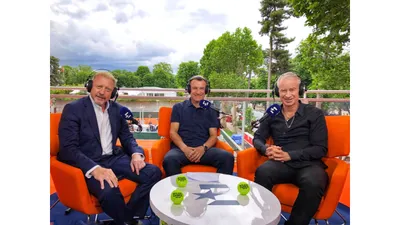
Mats Wilander, Boris Becker and John McEnroe filming the Eurosport Tennis Legends Vodcast
Eurosport Tennis L...
Contacts
Dan Tunna
Senior Communications ManagerLatest news

TNT SPORTS: BUILT DIFFERENT FOR DOMESTIC RUGBY
Every men’s fixture. Unmatched coverage of the women’s game. Unparalleled storytelling - TNT Sports is once again the destination for English domestic rugby for the 2026-27 season.
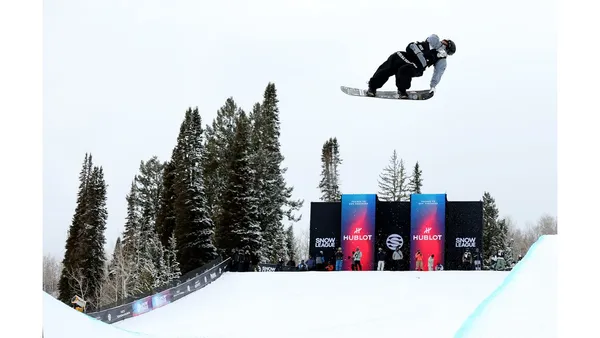
THE SNOW LEAGUE RETURNS TO EUROSPORT AND TNT SPORTS FOR SEASON TWO ACROSS EUROPE
Leading sports broadcaster renews its commitment to showcasing the world's premier snowboard and freeski competition across Europe
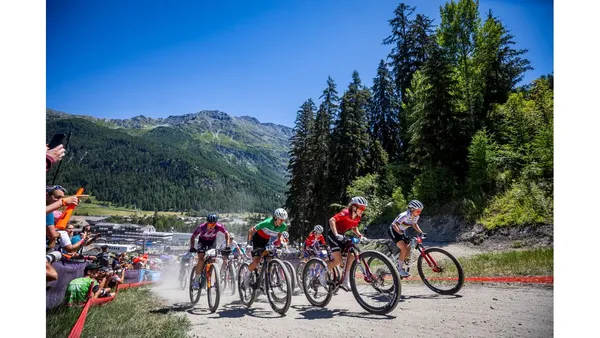
FANS TUNE IN AND TURN UP: WHOOP UCI MOUNTAIN BIKE WORLD SERIES HITS NEW BENCHMARKS IN 2026
With over a quarter of a million fans welcomed on-site so far, the 2026 WHOOP UCI Mountain Bike World Series is setting new benchmarks across live attendance, streaming audiences and digital engagement.

TNT SPORTS PARTNERS WITH ALZHEIMER'S SOCIETY ONCE MORE TO RELEASE NEW VIDEO CONTENT TACKLING DEMENTIA
One person can’t take on dementia on their own, it takes a team. That's why TNT Sports are once again partnering with Alzheimer's Society this World Alzheimer's Month to raise awareness of dementia.
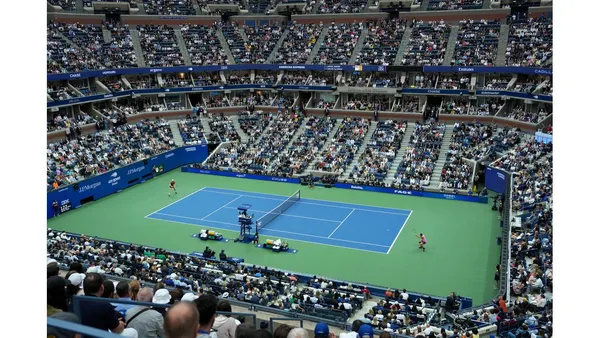
US OPEN TENNIS COMES TO MILLIONS OF VIEWERS ACROSS EUROPE ON EUROSPORT AND HBO MAX
• Every match on every court at the 2026 US Open will stream live across 45 markets* in Europe on HBO Max with far reaching coverage on Eurosport • Action gets underway with Qualifiers and Mixed Doubles Championship from 24 August • Coverage of the year’s final Grand Slam follows record-breaking pan-European tennis audiences for WBD this summer
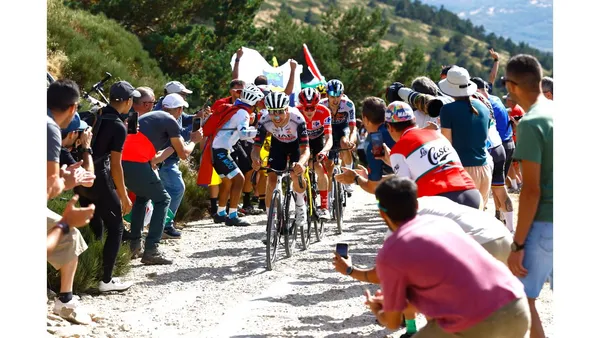
WARNER BROS. DISCOVERY CLOSES HISTORIC ROAD CYCLING SEASON WITH LIVE COVERAGE OF EVERY RACE AT LA VUELTA A ESPAÑA AND THE 2026 ROAD WORLD CHAMPIONSHIPS
Every stage of La Vuelta a España will be shown live across Europe on Eurosport, TNT Sports and HBO Max from 22 August to 13 September The conclusion of the Grand Tour season precedes WBD’s coverage of the UCI Road World Championships on 20-27 September WBD’s record-breaking summer of cycling continues following audience growth across all platforms during the Grand Tour season

FOOTBALL ON ANOTHER LEVEL: TNT SPORTS BRINGS FANS A HUGE SEASON OF LIVE FOOTBALL WITH SEVEN MAJOR TROPHIES ON THE LINE
Steven Gerrard leads an all-star line-up as TNT Sports prepares to bring fans more than 700 live matches across the biggest domestic and European competitions
TNT SPORTS UNVEILS NEW BRAND CAMPAIGN CELEBRATING SPORT AT ITS HIGHEST LEVEL
The biggest competitions in football demand the very best from everyone involved.
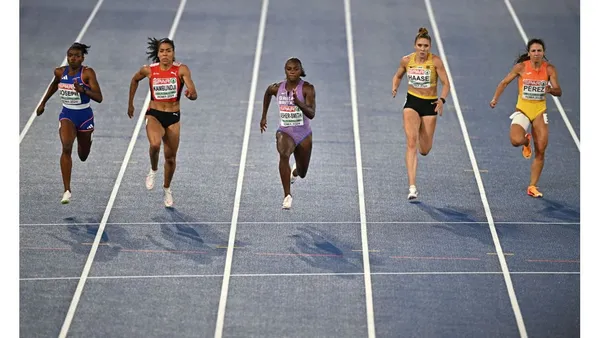
WARNER BROS. DISCOVERY EXPANDS ATHLETICS COVERAGE WITH ADDITION OF EUROPEAN CHAMPIONSHIPS
The European Athletics Championships Birmingham 2026 will be shown in 45 markets across Europe on Warner Bros. Discovery’s channels and platforms Every event will stream live on HBO Max with TV coverage on Eurosport and TNT Sports Live coverage begins on 10-16 August
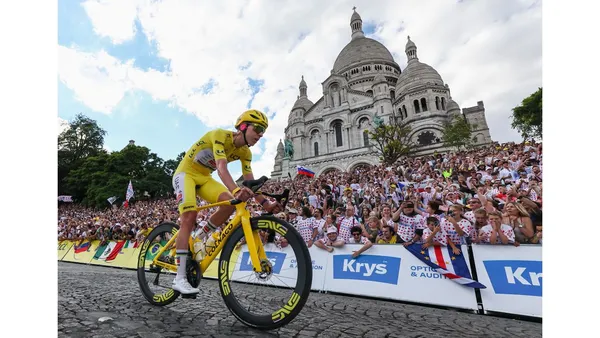
HISTORIC TOUR DE FRANCE SETS NEW BENCHMARK FOR CYCLING VIEWERSHIP IN EUROPE AS WARNER BROS. DISCOVERY GROWS ITS AUDIENCE ACROSS ALL PLATFORMS
Biggest ever Tour de France streaming audience secured across Europe on HBO Max TNT Sports reaches millions of viewers and boosts its live viewing by 58% in its first year of exclusive coverage in the UK and Ireland with free-to-air reach growing on 5 Eurosport grows pan-European viewership with its most watched Tour de France in a decade alongside record editions in France, Spain and the Netherlands
PREMIER PADEL SECURES LIVE COVERAGE ON TNT SPORTS AND HBO MAX FOR HISTORICAL FIRST EDITION OF THE LONDON PREMIER PADEL P1
The London P1 will take place from 4-9 August at Olympia and every match will be available to watch live in the UK and Ireland Action begins on 4 August at 10:00 BST with coverage across TNT Sports and HBO Max Trojan Paillot (WBD): “By partnering with Premier Padel we will showcase the very best of the sport and its athletes.” Rob Mitchell (Premier Padel): “This agreement with TNT Sports is a gamechanger for the sport in the UK and Ireland.” Stewart Hosford (Sela): “Our ambition is to elevate London P1 into one of Premier Padel’s defining tournaments. This partnership will help us bring the energy and excitement at Olympia to fans across the UK and Ireland.”
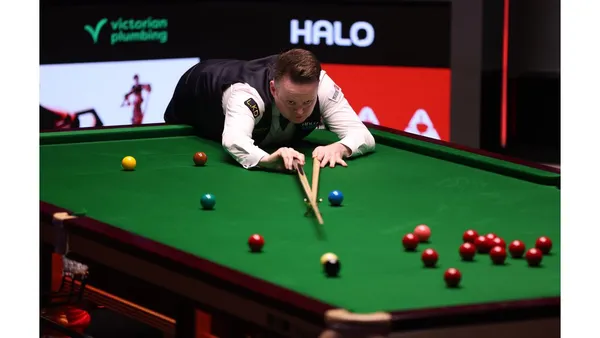
TNT SPORTS CONTINUES AS THE HOME OF SNOOKER IN THE UK AND IRELAND WITH WORLD SNOOKER TOUR EXTENSION
TNT Sports extends its coverage of the World Snooker Tour until 2031 Every frame from the World Championship, the Masters and the UK Championship will be shown live on TNT Sports and HBO Max Trojan Paillot: “Our partnership with the WST reinforces our commitment to providing fans with the most complete snooker offer”
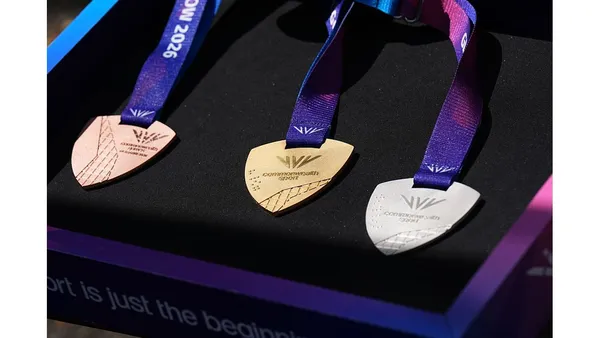
EVERY EVENT FROM GLASGOW 2026 COMMONWEALTH GAMES EXCLUSIVELY LIVE ON TNT SPORTS AND HBO MAX
Every event from the Glasgow 2026 Commonwealth Games will be exclusively live across all HBO Max subscription plans in the UK and Ireland* Never-before-seen Commonwealth Games 360 channel ensures fans never miss a key moment - Live from 08.30-22.30 every day. Enhanced streaming features on HBO Max ensure the ultimate viewing experience. The Opening Ceremony broadcast live in full on TNT Sports, HBO Max and 5 on July 23rd.
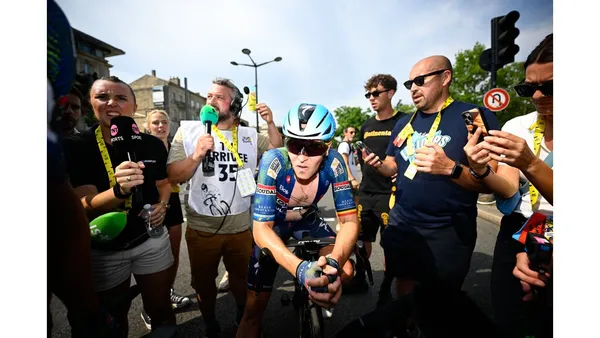
CLIMBING AUDIENCES POWER STRONG START TO TNT SPORTS’ FIRST EXCLUSIVE LIVE TOUR DE FRANCE COVERAGE
TNT Sports grows its Tour de France coverage by +41% in its first year of exclusive live coverage in the UK Streaming audiences on HBO Max in the UK have grown across all key metrics Daily free-to-air highlights on 5 are averaging more than half a million viewers, further expanding access to the race

THE COMMONWEALTH GAMES ENTERS NEW ERA WITH TNT SPORTS AND HBO MAX SET TO DELIVER NEVER-BEFORE-SEEN VIEWING EXPERIENCE
• Every event exclusively live at Glasgow 2026 Commonwealth Games across all HBO Max plans in U.K and Ireland • First-ever ‘Commonwealth Games 360’ channel, on TV and HBO Max, ensuring fans never miss a key moment. • Featuring a stellar line-up of global stars boasting 165 major competition gold medals