ALBERTO CONTADOR PREVIEWS THE GIRO D'ITALIA 2021
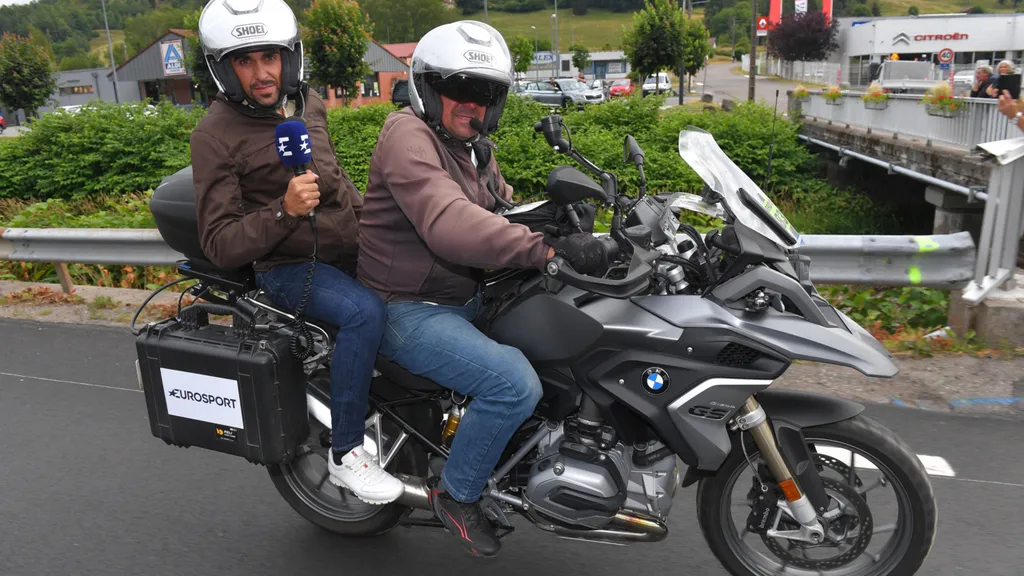
Following the announcement that Alberto Contador has extended his long-term partnership with Eurosport and GCN, the two-time Giro d'Italia winner offered his expert insight and predictions ahead of the start of the Giro on Saturday 8 May.
2021 Giro d’Italia
On GC favourites this year in 2021: ‘’It's difficult to choose just one because of so much uncertainty. For now the only one who has shown 100% that he is in good shape is Yates after a great participation in the Tour of the Alps. Then we can say that Mikel Landa's start to the season has been good, although the level has not been so outstanding. I would definitely not forget Egan Bernal and Remco Evenepoel. We know that Evenepoel is capable of absolutely everything, although he hasn't competed since Lombardy due to physical problems. And on the other hand Bernal who already knows what it is to win the Tour de France and having overcome the physical problems he had I think he is one of the favourites.''
On the most important stages this year: ‘’We already know that places like the Mortirolo or the Zoncolan often decide the group of favourites to win the race. This year will be no different, but this year's route is very tiring and with the stage on the last day it will be difficult for anyone to be sure of victory well in advance.''
On the Giro being a race for the individual: ‘’The Giro d'Italia is the perfect race to shine individually and to forget more about the role of the whole team. Of the three Grand Tours, it is the ideal opportunity to get a great performance from individual riders.''
On the time trials in stages 1 and 21: ‘’Knowing that the last stage is a 29.4 km time trial, it's clear that it will be a really tough finish to the race. It's true that the last day of a race as complicated as the Giro d'Italia and the wear and tear that this year's route causes in all the participants makes the equality between the specialists grow because arriving at the last day with everything sorted out is going to be very complicated and there will be a lot of fighting.''
On the chances of Deceuninck-QuickStep: ‘’For stages, the Giro d'Italia is perfect for the team [Deceuninck-QuickStep]. They are masters in this modality and for sure they will achieve several victories. For the general classification it's different because this race is ideal for not having a team. The stages are so hard that the team takes a back seat in many moments because of the steepness of many places. The Italian teams tend to take responsibility quite quickly, but the race takes care of separating all the riders.’’
On crowds impacting the climbs at the Giro this year: “I don't think the lack of spectators in general will affect the peloton too much. It's something that athletes are getting used to and we see it in many other races on the calendar. The Giro d'Italia traditionally has a big weight in terms of fans because we know how crowded the Zoncolan is and what that does. But we are talking about great professionals who adapt to any circumstances and the lack of people in the stages is now much more normal than 6 months ago. It's rare to see a Giro d'Italia like this but I don't think it's the reason that will decide who will be the winner this year''.
On the team backed by the Alberto Contador Foundation Eolo-Kometa: ‘’We are approaching the race in our first year with a team that has a very low average age. Obviously we are competing against more professionally consolidated teams, so the objective is to compete and do well. We are going to Italy thinking that we have done a very good job and we are convinced that we will have an important role in the race and little by little we will grow, but always with enthusiasm.''.
Memories of riding the Giro during his career
On his memories of winning the Giro: ‘’Winning the Giro d'Italia is an unforgettable feeling. The first one I won I did almost without expecting it or planning it. It was a last-minute call from Johan Bruyneel when I wasn't on the list to go racing. Circumstances meant that I went to race and as the race went on I was able to win and that was unbelievable for me. Besides, we are talking about a race in which it always rains a lot and you have to work hard for every victory. Besides, I remember a huge affection from the fans that helped me to change my plans during that race and the appreciation that I still have today for that race.’’
On whether he regrets retiring too early: ''Honestly, no. I always thought I wanted to retire with a good feeling. I always thought I wanted to retire with a good feeling. Obviously we are talking about a very difficult challenge because you never know how you will be physically in the future and if you can compete longer than you think. I went to that edition of La Vuela and I did it my way and I won the Angliru. I probably could have competed longer, but honestly, seeing that life gave me a farewell like the one I lived and I think that means a lot. Just as Eurosport is a therapy for me now that I'm not competing, thinking about that retirement also helps me to know that last moment that I lived in cycling. That doesn't mean that sometimes you don't feel nostalgic to go back to racing, but I'll keep what I did and I would decide the same thing again.’’
On his favourite Giro d’Italia stage: ‘’I would say that the most beautiful stage I rode is the one where I arrived with my former team-mate Paolo Tiralongo. We were and are great friends and I remember that stage with great affection for having been able to reach the end of the stage together. And where I suffered the most was undoubtedly on the Mortirolo... it's a deadly route and on many occasions I had a really bad time. It was without doubt one of the biggest challenges of my career.’’
On his favourite climb in Italy: ‘’Just as I said that the Mortirolo is where I have suffered the most, I also recognise that I like it the most. It's strange, I know, but where I've suffered the most I've had the most joy in terms of sacrifice. I know all that area and other places like the Stelvio or the Gavia well and I know that they were places that were a challenge for me. They are very hard places, some of the worst, but that's the essence of this race.’’
General
On whether the younger generation of riders (including Pogacar and Evenepoel) will have long careers or burn out sooner: ‘’This question can only be answered by consistency and time. On a physical level because you have to see how long they can be at the level they are showing. But on the other hand the psychological element. Professional sport and a discipline like cycling entails responsibility, tension and sacrifices to be in top condition that can only be achieved with effort. We give up a lot of things and that for five or ten years is not the same as for twenty years. It's a lottery, but hopefully we can enjoy this new generation for a long time. They are superstars of this sport with special training and it's not possible to make predictions like in previous decades.''
On the legacy of Chris Froome: ‘’I think every athlete is different and has different qualities. For example, I would say that in terms of legacy or inheritance, there are elements that are picked up by the new generations. It happened to me with Pantani that I was fascinated by his way of attacking and in a certain way I wanted to be like him. Marco would break the race at any moment and revolutionise any stage. That mentality helped me to be brave and to dare to do things when nobody expected it and I hope that this kind of thing will also reach future athletes who decide to dedicate themselves to this sport.’’
On his relationship with Eurosport: “It makes a balance that for me is unbeatable. Eurosport has been a great therapy for me because it allows me to continue to be linked to the world of cycling. That feeling that any professional athlete who loves to compete has is less thanks to my role in Eurosport because I continue to enjoy this sport. It's the best way for me to continue to live cycling as I like to do.’’
Name: Copy of Contador - Eurosport.jpg
Contacts
Dan Stead
Communications ManagerLatest news

TNT SPORTS: BUILT DIFFERENT FOR DOMESTIC RUGBY
Every men’s fixture. Unmatched coverage of the women’s game. Unparalleled storytelling - TNT Sports is once again the destination for English domestic rugby for the 2026-27 season.
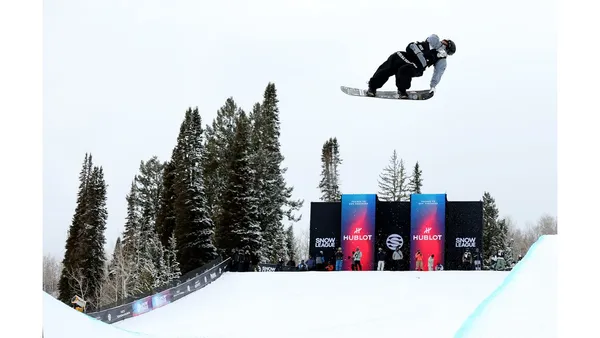
THE SNOW LEAGUE RETURNS TO EUROSPORT AND TNT SPORTS FOR SEASON TWO ACROSS EUROPE
Leading sports broadcaster renews its commitment to showcasing the world's premier snowboard and freeski competition across Europe
FANS TUNE IN AND TURN UP: WHOOP UCI MOUNTAIN BIKE WORLD SERIES HITS NEW BENCHMARKS IN 2026
With over a quarter of a million fans welcomed on-site so far, the 2026 WHOOP UCI Mountain Bike World Series is setting new benchmarks across live attendance, streaming audiences and digital engagement.
TNT SPORTS PARTNERS WITH ALZHEIMER'S SOCIETY ONCE MORE TO RELEASE NEW VIDEO CONTENT TACKLING DEMENTIA
One person can’t take on dementia on their own, it takes a team. That's why TNT Sports are once again partnering with Alzheimer's Society this World Alzheimer's Month to raise awareness of dementia.
US OPEN TENNIS COMES TO MILLIONS OF VIEWERS ACROSS EUROPE ON EUROSPORT AND HBO MAX
• Every match on every court at the 2026 US Open will stream live across 45 markets* in Europe on HBO Max with far reaching coverage on Eurosport • Action gets underway with Qualifiers and Mixed Doubles Championship from 24 August • Coverage of the year’s final Grand Slam follows record-breaking pan-European tennis audiences for WBD this summer
WARNER BROS. DISCOVERY CLOSES HISTORIC ROAD CYCLING SEASON WITH LIVE COVERAGE OF EVERY RACE AT LA VUELTA A ESPAÑA AND THE 2026 ROAD WORLD CHAMPIONSHIPS
Every stage of La Vuelta a España will be shown live across Europe on Eurosport, TNT Sports and HBO Max from 22 August to 13 September The conclusion of the Grand Tour season precedes WBD’s coverage of the UCI Road World Championships on 20-27 September WBD’s record-breaking summer of cycling continues following audience growth across all platforms during the Grand Tour season
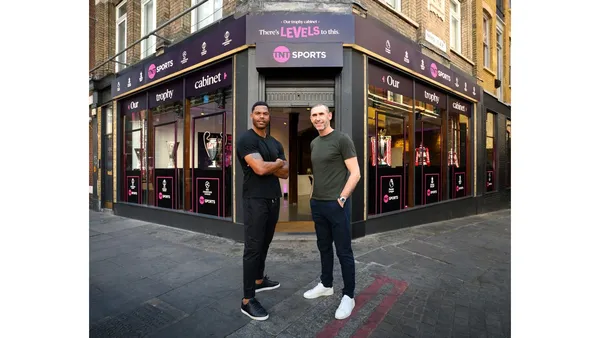
FOOTBALL ON ANOTHER LEVEL: TNT SPORTS BRINGS FANS A HUGE SEASON OF LIVE FOOTBALL WITH SEVEN MAJOR TROPHIES ON THE LINE
Steven Gerrard leads an all-star line-up as TNT Sports prepares to bring fans more than 700 live matches across the biggest domestic and European competitions
TNT SPORTS UNVEILS NEW BRAND CAMPAIGN CELEBRATING SPORT AT ITS HIGHEST LEVEL
The biggest competitions in football demand the very best from everyone involved.
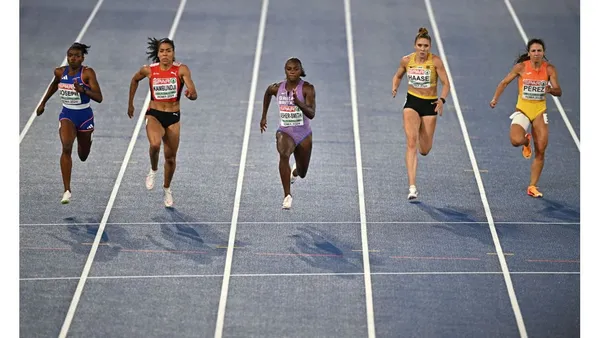
WARNER BROS. DISCOVERY EXPANDS ATHLETICS COVERAGE WITH ADDITION OF EUROPEAN CHAMPIONSHIPS
The European Athletics Championships Birmingham 2026 will be shown in 45 markets across Europe on Warner Bros. Discovery’s channels and platforms Every event will stream live on HBO Max with TV coverage on Eurosport and TNT Sports Live coverage begins on 10-16 August
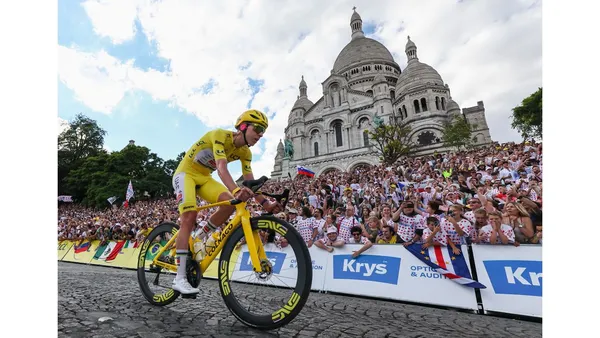
HISTORIC TOUR DE FRANCE SETS NEW BENCHMARK FOR CYCLING VIEWERSHIP IN EUROPE AS WARNER BROS. DISCOVERY GROWS ITS AUDIENCE ACROSS ALL PLATFORMS
Biggest ever Tour de France streaming audience secured across Europe on HBO Max TNT Sports reaches millions of viewers and boosts its live viewing by 58% in its first year of exclusive coverage in the UK and Ireland with free-to-air reach growing on 5 Eurosport grows pan-European viewership with its most watched Tour de France in a decade alongside record editions in France, Spain and the Netherlands
PREMIER PADEL SECURES LIVE COVERAGE ON TNT SPORTS AND HBO MAX FOR HISTORICAL FIRST EDITION OF THE LONDON PREMIER PADEL P1
The London P1 will take place from 4-9 August at Olympia and every match will be available to watch live in the UK and Ireland Action begins on 4 August at 10:00 BST with coverage across TNT Sports and HBO Max Trojan Paillot (WBD): “By partnering with Premier Padel we will showcase the very best of the sport and its athletes.” Rob Mitchell (Premier Padel): “This agreement with TNT Sports is a gamechanger for the sport in the UK and Ireland.” Stewart Hosford (Sela): “Our ambition is to elevate London P1 into one of Premier Padel’s defining tournaments. This partnership will help us bring the energy and excitement at Olympia to fans across the UK and Ireland.”
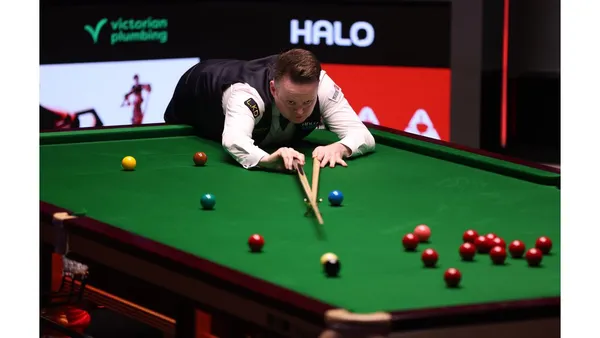
TNT SPORTS CONTINUES AS THE HOME OF SNOOKER IN THE UK AND IRELAND WITH WORLD SNOOKER TOUR EXTENSION
TNT Sports extends its coverage of the World Snooker Tour until 2031 Every frame from the World Championship, the Masters and the UK Championship will be shown live on TNT Sports and HBO Max Trojan Paillot: “Our partnership with the WST reinforces our commitment to providing fans with the most complete snooker offer”
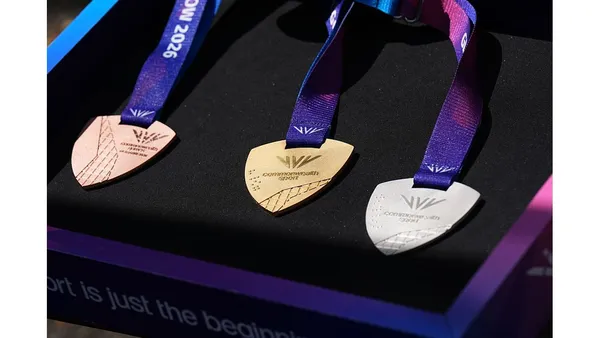
EVERY EVENT FROM GLASGOW 2026 COMMONWEALTH GAMES EXCLUSIVELY LIVE ON TNT SPORTS AND HBO MAX
Every event from the Glasgow 2026 Commonwealth Games will be exclusively live across all HBO Max subscription plans in the UK and Ireland* Never-before-seen Commonwealth Games 360 channel ensures fans never miss a key moment - Live from 08.30-22.30 every day. Enhanced streaming features on HBO Max ensure the ultimate viewing experience. The Opening Ceremony broadcast live in full on TNT Sports, HBO Max and 5 on July 23rd.
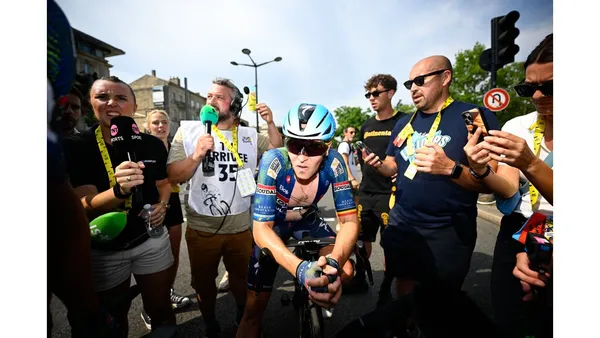
CLIMBING AUDIENCES POWER STRONG START TO TNT SPORTS’ FIRST EXCLUSIVE LIVE TOUR DE FRANCE COVERAGE
TNT Sports grows its Tour de France coverage by +41% in its first year of exclusive live coverage in the UK Streaming audiences on HBO Max in the UK have grown across all key metrics Daily free-to-air highlights on 5 are averaging more than half a million viewers, further expanding access to the race
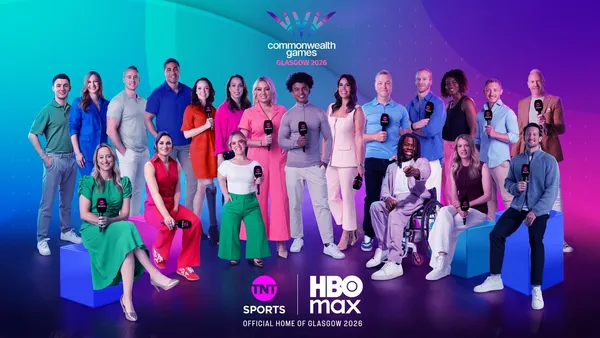
THE COMMONWEALTH GAMES ENTERS NEW ERA WITH TNT SPORTS AND HBO MAX SET TO DELIVER NEVER-BEFORE-SEEN VIEWING EXPERIENCE
• Every event exclusively live at Glasgow 2026 Commonwealth Games across all HBO Max plans in U.K and Ireland • First-ever ‘Commonwealth Games 360’ channel, on TV and HBO Max, ensuring fans never miss a key moment. • Featuring a stellar line-up of global stars boasting 165 major competition gold medals